
What to see at Piazza Navona
Six stops that tell the story of the baroque masterpiece built on the ancient stadium of Domitian.
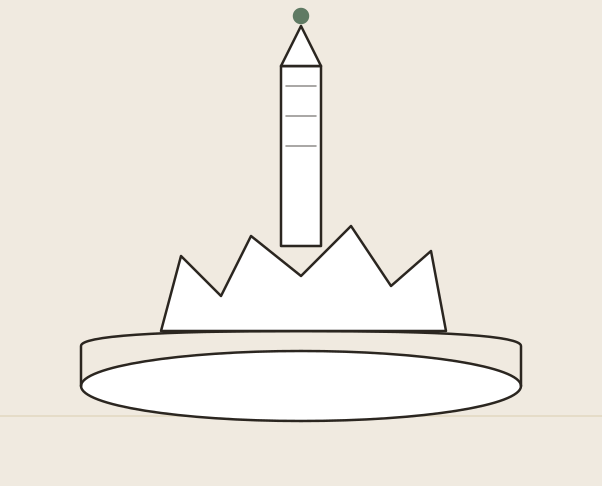
Fountain of the Four Rivers
Gian Lorenzo Bernini's masterpiece, completed in 1651 for Pope Innocent X. The four allegorical figures represent the Nile, Ganges, Danube and Río de la Plata — the rivers of the then-known continents — topped by a 1st-century Egyptian obelisk.
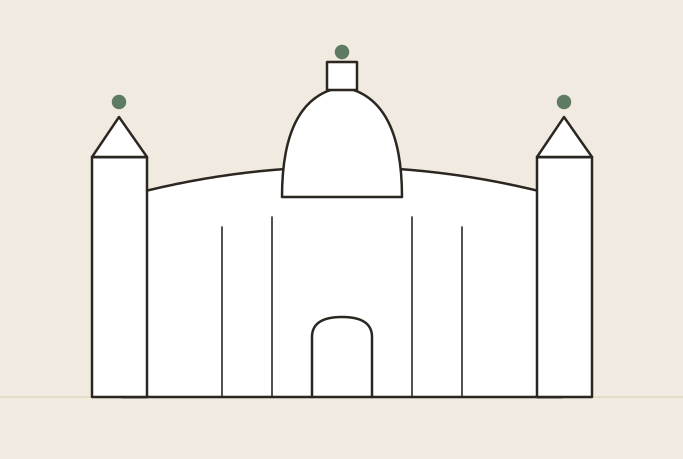
Sant'Agnese in Agone
A concave façade designed by Francesco Borromini, Bernini's historic rival. Popular legend (born after both artists had died) has it that the Río de la Plata statue raises its arm to "shield itself" from the collapsing façade — pure invention, but it tells the rivalry between the two masters well.
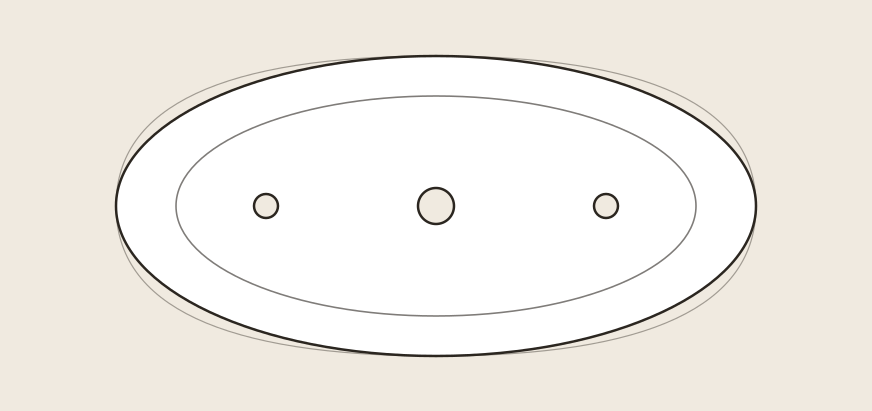
The Oval Shape
The square precisely follows the perimeter of the Stadium of Domitian, built in 86 AD for Greek-style athletic competitions (the name "Navona" is thought to derive from "in agone", meaning "in the stadium"). The surrounding buildings still rest on the ancient terraces.
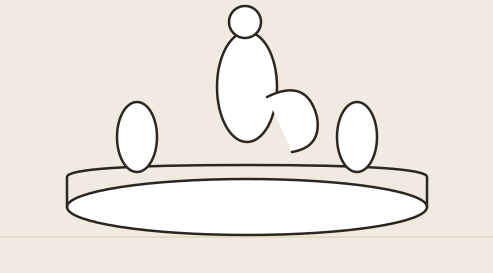
Fountain of the Moor
At the square's southern end, depicting a Moor (or Triton) wrestling a dolphin. The original basin is by Giacomo della Porta (1575); the central statue was added later, based on a Bernini design.
Fountain of Neptune
At the northern end, originally just Giacomo della Porta's basin: the statues of Neptune and the sea creatures were only added in 1878, in matching style, to complete the trio of fountains.
Palazzo Pamphilj
Residence of Pope Innocent X's family, today home to the Brazilian Embassy. The interior gallery, frescoed by Pietro da Cortona, is open to visitors only on special occasions.
Want to skip the queues at the big museums?
The Vatican Museums and the Colosseum are worth booking ahead, especially on weekends and during high season.
See tickets and experiences
Space reserved for local operators.