
Piazza Navona, Rome
The Fountain of the Four Rivers, the Bernini-Borromini rivalry, the oval shape echoing an ancient Roman stadium: an independent guide to Rome's baroque heart, with the practical information that actually matters.

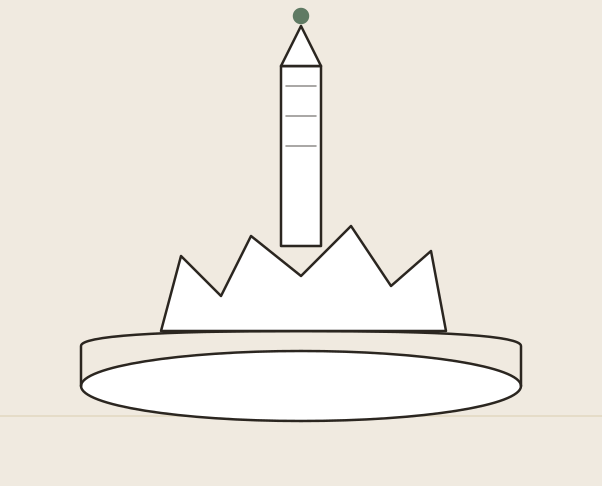
Fountain of the Four Rivers
Gian Lorenzo Bernini's masterpiece (1651), depicting the four rivers of the then-known continents — the Nile, Ganges, Danube and Río de la Plata — topped by an Egyptian obelisk. Right at the centre of the square.

Sant'Agnese in Agone
A concave façade by Francesco Borromini, Bernini's lifelong rival: legend (false, but wonderful) has it that the Río de la Plata statue raises its arm to "shield itself" from the church's collapse.
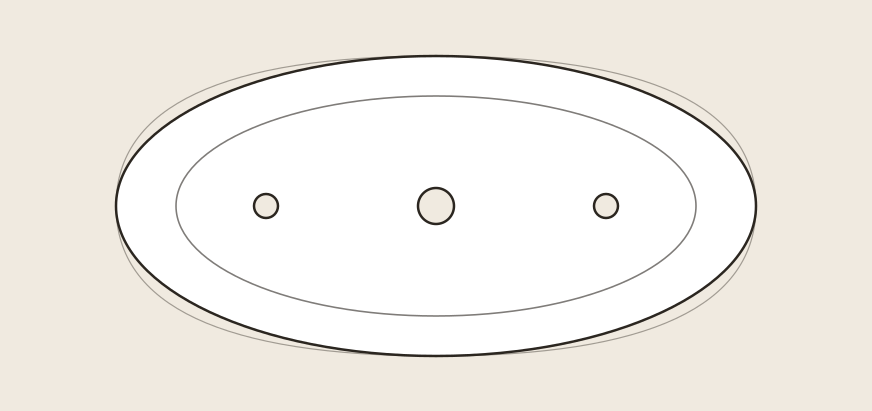
The Oval Shape
The square follows exactly the perimeter of the ancient Stadium of Domitian (86 AD), where Greek-style athletic contests were held. The surrounding buildings still rest on the old stadium terraces.
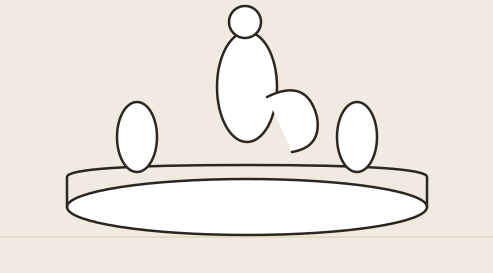
Fountain of the Moor and Neptune
At the two ends of the square, completing the trio of fountains: the Moor wrestling a dolphin to the south, Neptune and an octopus to the north, a 19th-century addition in matching style.
The square changes character three times a day
At dawn, before 9am, Piazza Navona is nearly deserted — the best time to photograph the fountains without crowds. By midday it fills with tourists, caricaturists and street performers, lively but busy. In the evening, with the fountains lit and restaurants opening their outdoor tables, it becomes a place to enjoy slowly again. If you can choose, dawn or evening always beat the afternoon.
Piazza Navona is free and always open, but the major landmarks nearby — the Pantheon, the Vatican Museums, the Colosseum — require booking to avoid hours-long queues.

Historic trattorias
Cacio e pepe, carbonara, oxtail stew: Roman cooking is humble and direct. The best trattorias are often just off the busiest tourist lanes, not on the square itself.
See food toursTruffle, gelato and coffee
Artisan gelato steps from the Pantheon, strong Roman espresso, truffle in the autumn months: small daily rituals of the city.
See tastingsAperitivo and dinner by the fountains
With the three fountains lit up, an aperitivo or dinner overlooking the square is pricey but unforgettable at least once. Book ahead — the best tables go fast.
See evening experiencesThe Befana at Piazza Navona
In December and January, the square hosts one of Rome's most beloved Christmas markets, with stalls selling sweets, toys and the traditional Befana figure.
See what's onExhibitions at Palazzo Braschi
Just steps from the square, the Museo di Roma hosts temporary exhibitions on the city's history and art, with a programme that changes seasonally.
See the current exhibitionThe street caricaturists
For centuries, street artists have drawn portraits and caricatures in the square — a living tradition, not a tourist trap, if you choose one calmly before sitting down.
See artistic experiencesRun a business in Rome?
Trattorias, gelaterias, tour operators, art shops: if you'd like to be featured in this section or in "What to See", get in touch.
Hotels
Service, breakfast included, 24-hour reception. The most convenient choice for short stays in the historic centre.
Search hotelsApartments
Space, your own kitchen, ideal for families or longer stays. Often better value than hotels for groups of 3 or more.
Search apartmentsB&Bs
Local warmth, home-cooked breakfast, lower prices. The most authentic way to experience central Rome.
Search B&BsTransfer
From Fiumicino, the Leonardo Express train reaches Termini in 32 minutes; from there, a 20-minute walk or a short bus ride to the square. From Ciampino, a shuttle bus reaches the centre in about 40 minutes.
Full transfer guideCar rental
The historic centre has an extensive restricted traffic zone: pointless, even counterproductive, for getting around Rome itself. It only makes sense for reaching the Castelli Romani or the Lazio coast independently.
When it's worth renting
Space reserved for local operators.
Piazze d'Italia Network
Piazza Navona is one of the iconic squares told by the Piazze d'Italia network — independent territorial guides dedicated to the places where history, architecture and public life meet, city after city.
Discover the other piazze →
Your first stop in Rome: baroque's most theatrical square
The Fountain of the Four Rivers, Sant'Agnese and the side fountains can be visited as a single, free, always-open block.
See tickets and experiences